The Real Estate Market: An Unsustainable Bubble?
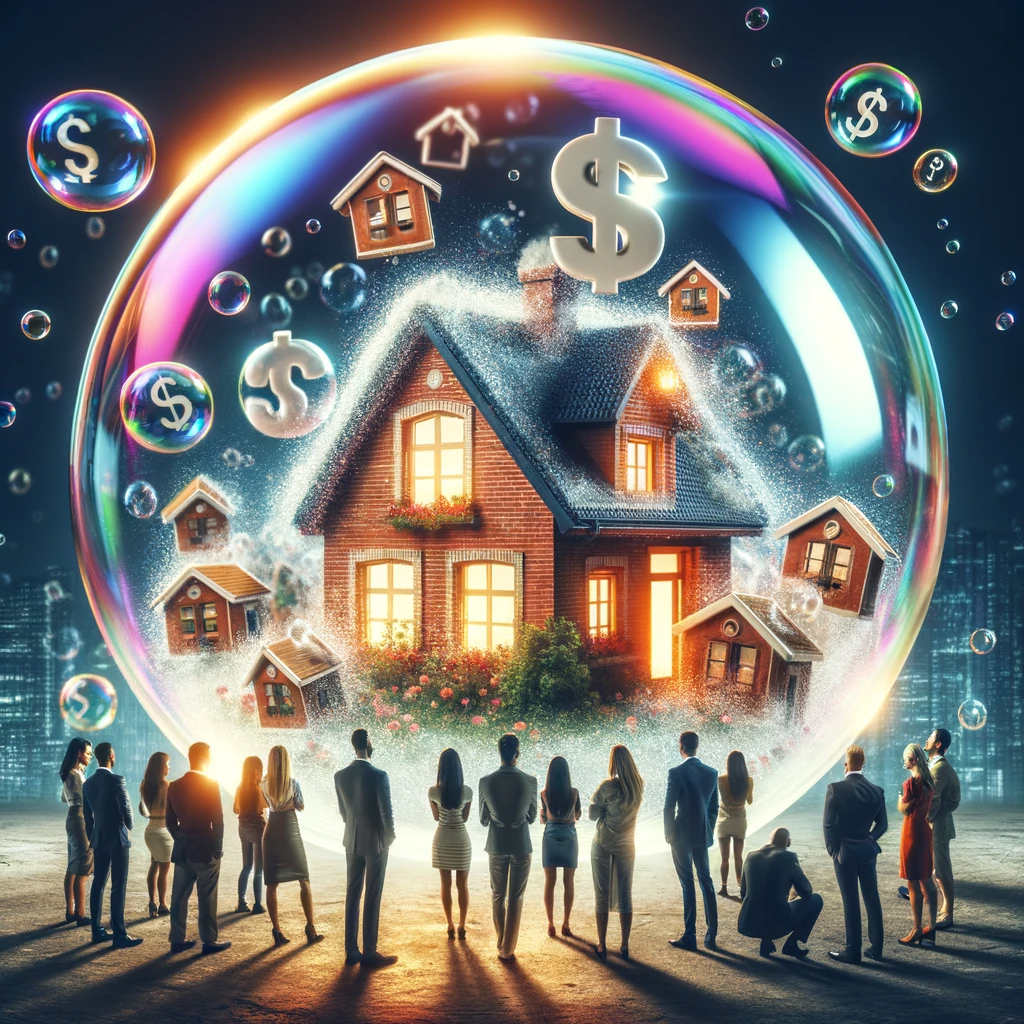
The real estate market is a fascinating beast. Despite the economic downturn, the market remains unfazed, with homes in many areas receiving multiple offers. In fact, most homes across the country are selling for more than their asking price. This is largely due to the fact that there is currently a lack of inventory, which is keeping the market alive for now.
However, this raises an important question: when will housing become affordable again for millennials? Some speculate that it might take a couple of years for the market to adjust. But with a 400K loan over 30 years at a 3% interest rate costing about 1.6K per month, and the same loan at a 7% interest rate costing 2.6K per month, it's clear that the current situation is unsustainable.
Let's face it, how does the housing market stabilize given these numbers? How many people have the income to qualify for a loan at an over 7% mortgage rate? The monthly payment is up around 40%, yet there are those who believe that housing prices will stabilize and move higher. This is hard to comprehend.
Some argue that 7% is not high by historical standards. However, this argument fails to consider the fact that houses today cost significantly more than they did in the past. The high interest rate argument is therefore moot.
The basic principle of supply and demand dictates the real estate market. Currently, supply is low, which keeps prices high. Some believe that there will be no crash and that when rates come down over the next couple of years, more people will sell their homes and buy new ones because they have a lot of equity.
However, others argue that a recession is inevitable, leading to a flood of new inventory and not enough buyers, causing prices to drop. This is a cycle that we have seen many times before.
There are those who have tried to buy a home and put down 50% cash, yet still can't afford the monthly payments. In fact, their mortgage would double over their current one.
The reality is that the number of people who have the income to qualify for a loan at an over 7% mortgage rate is about as many as there are houses available.
The biggest point that seems to be missing from the conversation is that because rates are high, no one wants to sell either to give up their low interest rates. Ultimately, supply and demand dictate prices.
The current state of the real estate market is unsustainable. The numbers simply don't add up. Something has to give, and when it does, it's likely that the market will crash. However, as the old saying goes, the market can stay irrational longer than one can remain solvent. Only time will tell how this situation will unfold.